Galway United vs Shamrock Rovers Tactical Stats Analysis: Why Rovers Lost Control in Premier Division 2026
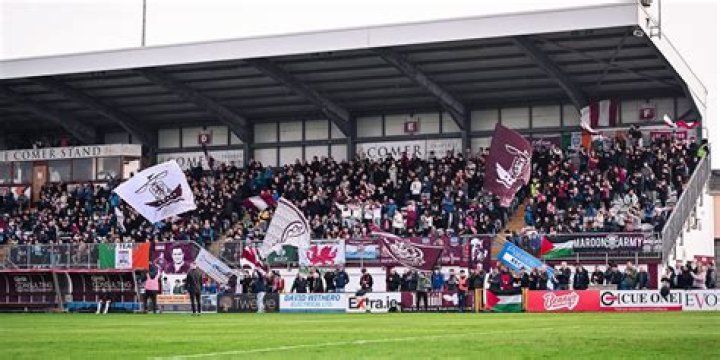
Shamrock Rovers vs Galway United in the Premier Division was not a simple story of possession against pressure. It was a match played like a warning siren: Galway United held the ball, moved it, recycled it, and built the numerical outline of control, while Shamrock Rovers kept appearing in the dangerous places where control can suddenly become illusion.
The final statistical sheet reads like a tactical thriller. Galway United commanded 67% possession, completed 517 accurate passes from 602 attempted, produced 15 total shots, seven on target, and edged the expected goals count 2.49 to 2.41. Yet the tension sits in the margins. Shamrock Rovers, with only 33% of the ball, still generated 11 shots, five on target, three big chances, five corners, and won the physical war with 62% of all duels.
Heading: Possession Gave Galway the Map, But Not Total Authority
Galway United’s first layer of control was obvious. They owned the passing rhythm. Their 602 passes dwarfed Shamrock Rovers’ 283, and the gap in accurate passing was even more severe: 517 to 192. Galway did not merely have the ball; for long periods, they made Rovers chase it through wide circulation, third-man options, and patient restarts from deeper zones.
The first half looked especially convincing. Galway had 72% possession before the interval, launched 11 shots to Rovers’ four, and built 1.18 xG while allowing only 0.22. That was the phase when the pitch seemed tilted. Galway entered the final third 35 times in the first half and had five shots on target. Rovers were being forced backward, their clearances rising, their attacking sequences breaking too quickly.
But football control is never only about the ball. Galway had the map. Shamrock Rovers kept finding trapdoors.
Heading: Shamrock Rovers Failed to Control the Pitch Because They Lost the Ball Before They Could Shape the Match
The core reason Shamrock Rovers failed to control the pitch was their inability to sustain possession after regain moments. They recovered enough structure to compete, they tackled aggressively, and they forced the game into contact. But once the ball was theirs, too many possessions became short, vertical, and exposed.
Rovers completed just 192 accurate passes across the match, less than Galway managed in either half individually. Their 33% possession was not merely a stylistic choice; it became a tactical limitation. With only 45 successful final-third phase actions from 99 attempts, a 45% rate, Rovers struggled to turn territory into settled pressure. Galway, by contrast, completed 84 from 118 in that same zone, a sharp 71%.
That difference explains the emotional shape of the contest. Galway could pause attacks, reset angles, and return with another wave. Rovers had to strike before the door closed. Their danger was real, but it was often urgent rather than controlled.
Heading: The Duels Told a Different, More Violent Story
If possession belonged to Galway, the collisions belonged to Shamrock Rovers. Rovers won 62% of total duels, 56% of ground duels, and an overwhelming 84% of aerial duels. That aerial figure was brutal: 16 successful aerial duels from 19, compared with Galway’s three.
This is where the match became tactically unstable. Galway could pass around pressure, but they were not consistently winning the second-contact battle. Rovers made 25 tackles to Galway’s 15 and won 68% of their tackles compared with Galway’s 53%. In the second half, the pattern sharpened: Rovers attempted 15 tackles, won 80% of them, and pushed their xG to 2.19 after halftime.
Yet even this physical superiority did not equal pitch control. Rovers were winning duels without always winning the next phase. Galway’s 60 recoveries and 11 interceptions helped them absorb those bursts and restart their own possession game before Rovers could lock the match into their preferred rhythm.
Heading: The Second Half Exposed Galway’s Risk and Rovers’ Missed Opportunity
The numbers after halftime changed the temperature. Galway still had 62% possession, but their shot count dropped to four. Shamrock Rovers rose to seven shots, four on target, three big chances, and 2.19 xG. This was the point at which the match stopped obeying Galway’s first-half script.
Rovers found more final-third entries after the break, leading 34 to 23 in that category. They also had three second-half corners to Galway’s two and delivered more crosses overall, completing five from 18 compared with Galway’s two from 13. The route was clear: attack the box faster, use width, contest aerials, and force Galway’s defenders to face their own goal.
But the failure was in continuity. Rovers could threaten Galway. They could not consistently pin them. Their lower passing volume and weaker final-third phase efficiency meant that pressure arrived in flashes rather than waves. Galway bent, but the match never fully became Rovers’ game.
Heading: Galway’s Attack Created Enough, But Waste Kept the Door Open
Galway United’s attacking performance was productive, but not ruthless. They created four big chances and scored one. They also missed three big chances, hit the woodwork twice, and sent five shots off target. That is the profile of a side close to dominance, but not clinical enough to make dominance feel secure.
The expected goals margin, 2.49 to 2.41, shows how narrow the danger line really was. Galway had more shots, more shots on target, more touches in the box level at 22 each, and two through balls to Rovers’ none. Still, the match remained alive because Rovers’ chances were not empty counters; they were high-value arrivals.
Both teams scored one big chance. Both teams touched the opposition penalty area 22 times. That symmetry is the hidden truth beneath Galway’s possession advantage. The ball belonged to Galway, but the penalty areas were contested territory.
Heading: Goalkeeping Kept the Tactical Argument Unsettled
Galway’s goalkeeper had to do more than a possession-dominant side would have wanted. Four saves, including two big saves, and a goals prevented figure of 0.97 underline how close Shamrock Rovers came to turning their lower possession into a more damaging result.
Rovers’ goalkeeper made three saves, but the goals prevented figure of -0.60 points to a different kind of pressure. Galway’s shot volume and repeated entries forced the away defense into a long survival exercise. Rovers made 19 clearances, four more than Galway, and spent much of the match defending the final action rather than stopping attacks at source.
Heading: Why Shamrock Rovers Could Not Seize Control
Shamrock Rovers did many things that usually tilt a football match. They won duels, dominated the air, tackled with authority, and produced enough xG to make Galway uneasy. But their control failed in three decisive areas.
First, they could not keep the ball long enough. A 283-pass total against Galway’s 602 meant Rovers were constantly defending the next sequence before they had recovered from the last one.
Second, they lacked clean progression through controlled possession. Their final-third phase accuracy of 45% was too low to establish repeat pressure, especially against a Galway side comfortable recycling possession.
Third, their attacking threat leaned too heavily on moments. Rovers created three big chances and five shots on target, but their best spell came as a second-half surge rather than a match-long command. The danger was sharp. The control was not.
Heading: Tactical Verdict
Galway United controlled the tempo but flirted with disaster. Shamrock Rovers controlled many of the physical battles but failed to control the pitch. That contradiction defined the match.
For Galway, the lesson is about finishing authority. A team with 67% possession, 15 shots, seven on target, 2.49 xG, and four big chances should not allow the contest to remain this suspenseful. Their structure was strong, but their wastefulness kept Rovers breathing.
For Shamrock Rovers, the postmortem is harsher. They were not passive, and they were not harmless. But without enough sustained possession, without cleaner final-third combinations, and without the ability to turn duel dominance into territorial command, they remained dangerous visitors rather than true controllers of the match.
In the end, this was a Premier Division match where the statistics did not whisper. They warned. Galway had the ball and the broader tactical grip. Shamrock Rovers had the threat, the tackles, and the aerial power. What they lacked was the one thing that turns pressure into rule: control.
